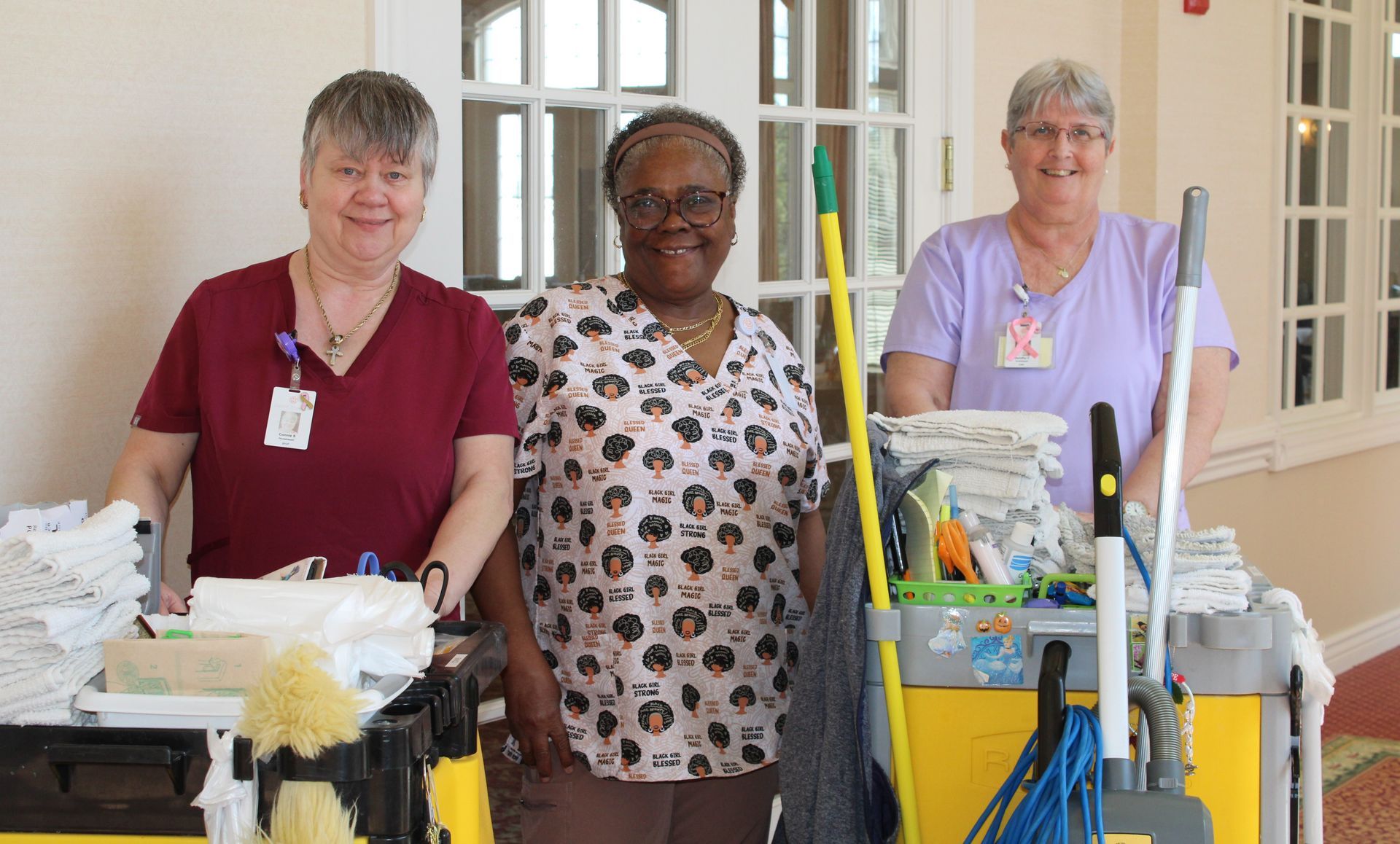
The work of environmental services professionals is often most noticeable when it’s not done. Yet these dedicated staff members contribute to nearly every part of daily life in a senior living community. They help protect residents’ health and safety, keep shared spaces clean and welcoming, and handle countless details that allow a community to operate smoothly. Just as importantly, they become familiar, trusted faces for the residents they serve. During National Environmental Services Week , Saint Therese is recognizing these essential professionals and the difference they make every day. At St. Mary of the Woods , that includes three longtime housekeepers with a particularly special connection. Connie Smith, Felicia Smith and Dorothy Clark have each worked at the community for 20 years. Over the years, they have become much more than colleagues. “We stick together,” they said. “We’re the Three Musketeers.” A place to build a career Felicia remembers driving past St. Mary of the Woods before she began working there. “This is where I’m going to retire from,” she told herself. Decades later, her prediction appears to have been a good one. The three women came to St. Mary of the Woods from very different places. Dorothy is from Avon, Felicia is originally from Alabama, and Connie came to the United States from Germany when she was 19. Connie and Felicia are sisters-in-law, while Connie and Dorothy discovered they are only 10 days apart in age. Their children are also close in age. Through years of working side by side, the three have developed a friendship grounded in mutual respect, shared experiences and a genuine love for the residents they serve. “We’re like their family,” they said. “We’re always here.” They also credit their supervisor, Dave Csalos, with creating a supportive environment for the team. “He’s so good,” they said. “We couldn’t ask for anything more.” Work that touches daily life For housekeepers, environmental services work is both practical and deeply personal. They regularly spend time in residents’ homes, where they notice the small things, share conversations and provide the reassuring consistency that helps a community feel like home. For employees such as Connie, Felicia and Dorothy, those relationships have grown over the years. Their longevity also brings something invaluable to St. Mary of the Woods: experience. They understand the community, know its rhythms and take pride in helping everything run as it should. This Environmental Services Week, Saint Therese thanks Connie, Felicia and Dorothy, along with environmental services professionals throughout the organization . Their dependable work, attention to detail and care for residents make a difference every day. ____ Shown in the photo above are (left to right): Connie Smith, Felicia Smith and Dorothy Clark.
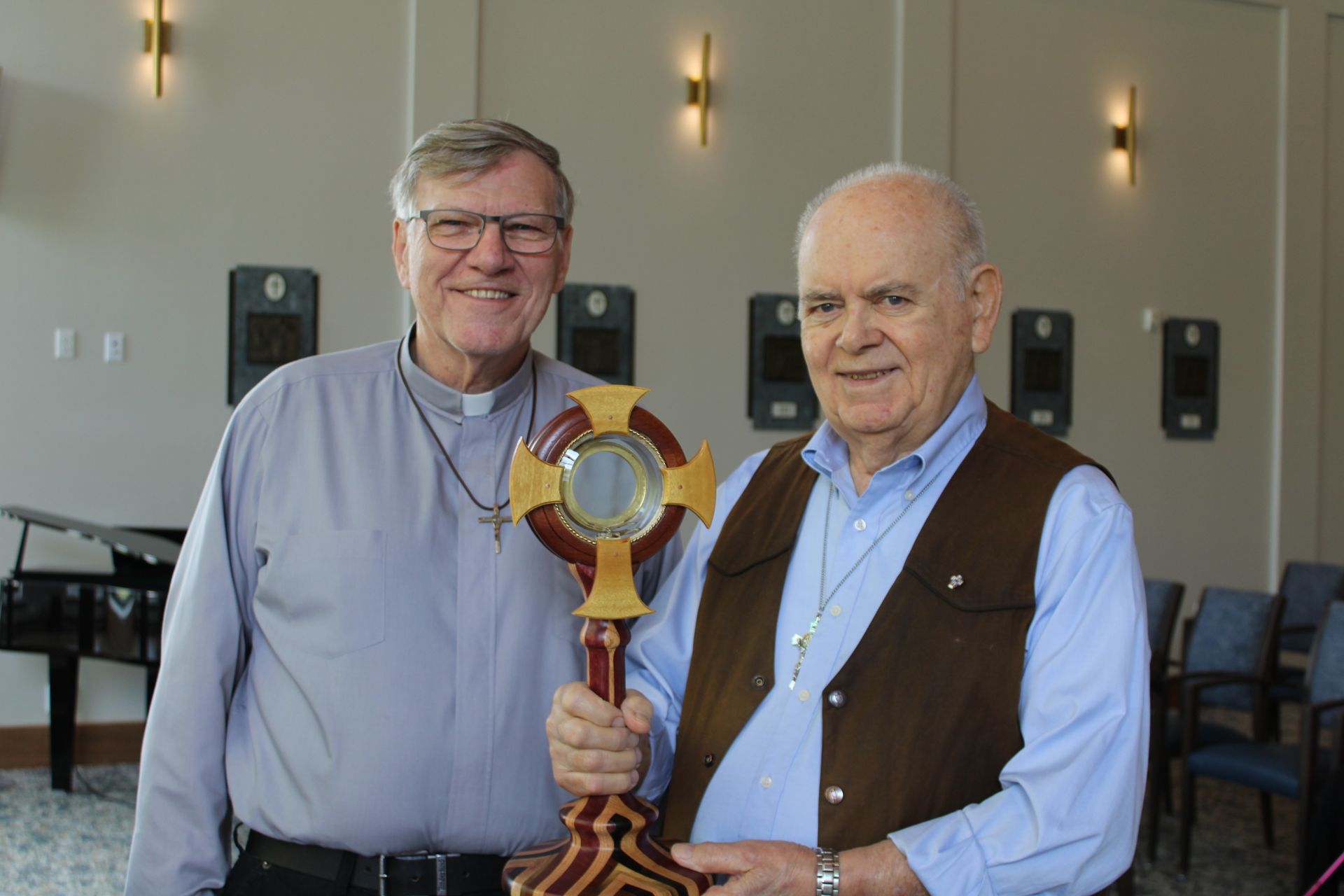
How an ambitious idea, a year of persistence and a shared faith created something remarkable at Saint Therese of Corcoran

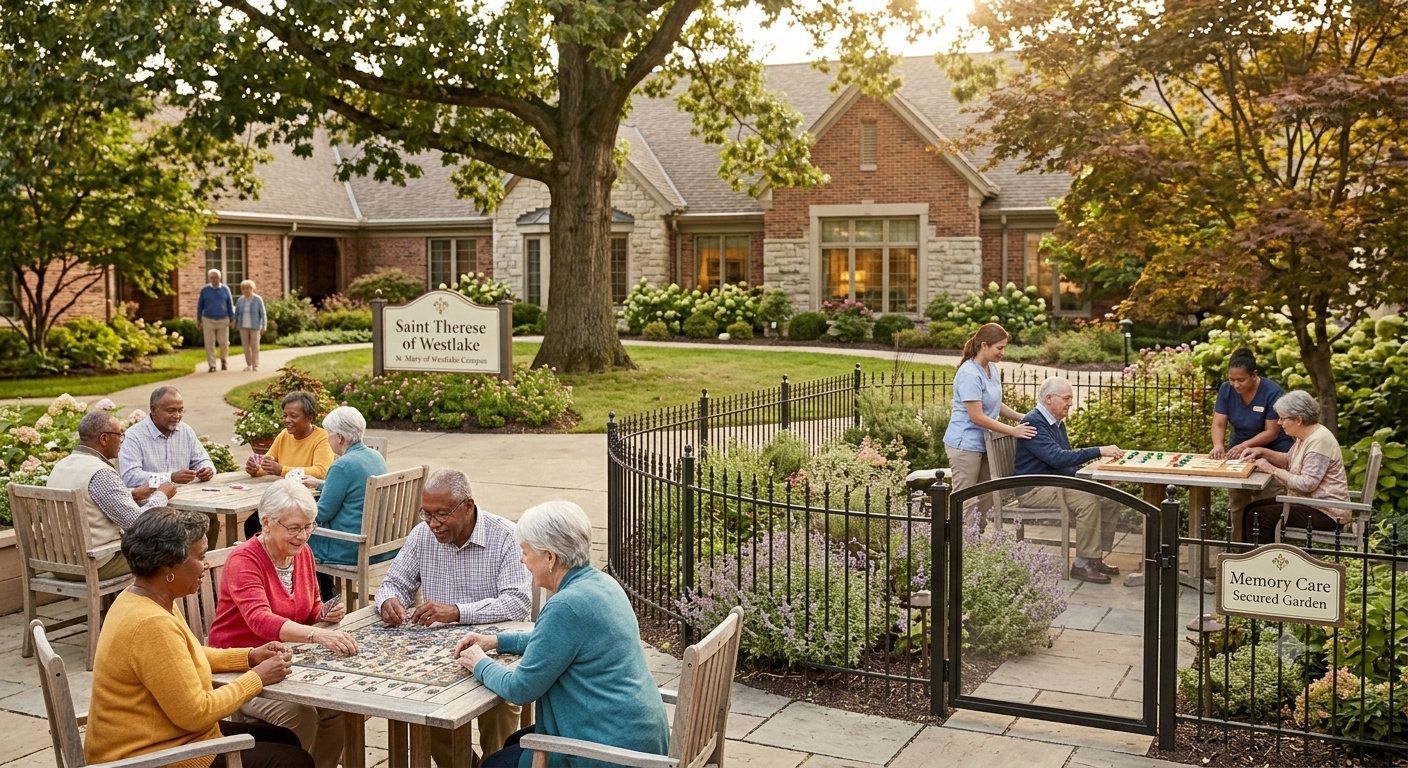
Choosing the right senior living community is rarely just about finding a place to live. For many older adults and their families, it is about finding a community that supports independence, encourages meaningful connections, and provides confidence for the future. If you are exploring senior living Westlake Ohio options, Saint Therese of Westlake offers a distinctive approach. It combines independent living with access to a full continuum of care on one beautiful campus. Located in Westlake, Ohio, this welcoming community allows older adults to enjoy an active lifestyle while knowing additional support is available if needs change over time. Whether you are planning ahead for yourself or helping a loved one evaluate senior living choices, understanding what makes Saint Therese unique can help you make a more informed decision. What is Senior Living in Westlake, Ohio? Senior living in Westlake, Ohio refers to housing and lifestyle options designed specifically for older adults. These communities typically offer varying levels of support, ranging from fully independent living to assisted living, rehabilitation services, and long-term care. The best senior living communities allow residents to maintain their independence. Meanwhile it also provides access to services, amenities, and healthcare resources that can simplify daily life and enhance overall well-being. At Saint Therese of Westlake, residents have access to multiple levels of care on one campus. This makes it easier to age in place while remaining part of a familiar community. Why Westlake is an Attractive Place for Senior Living? Westlake has become one of Northeast Ohio's most desirable communities for older adults. Located in Lorain County, the city offers a blend of suburban comfort, convenient healthcare access, shopping, dining, and recreational opportunities. Residents at Saint Therese of Westlake enjoy proximity to many local destinations, including: Westlake shopping district Crocker Park in nearby Westlake Miller Nature Preserve French Creek Reservation Lake Erie waterfront attractions Local restaurants, coffee shops, and community events Major healthcare providers throughout Lorain and Cuyahoga counties The community also provides convenient access to Interstate 90. Hence, making it easy for family members and visitors traveling from Cleveland, Elyria, North Ridgeville, Westlake, and surrounding communities. For many older adults, remaining connected to familiar neighborhoods, family, and local activities is an important part of maintaining quality of life. Westlake offers that balance of convenience and community. Independent Living at Saint Therese of Westlake Independent living is currently the primary opportunity available at Saint Therese of Westlake. It is an excellent choice for active older adults seeking a maintenance-free lifestyle without sacrificing independence. The goal of independent living is simple: give residents more time to enjoy life by reducing the responsibilities associated with homeownership. Instead of worrying about yard work, snow removal, home maintenance, or unexpected repairs, residents can focus on the activities, relationships, and experiences that matter most to them. A Lifestyle Designed Around Independence Many people assume senior living means giving something up. In reality, independent living often creates opportunities for greater freedom. Residents can spend their days pursuing hobbies. They can participate in community activities, enjoying social events, or simply relaxing without the responsibilities of maintaining a house. At Saint Therese of Westlake, independent living supports a lifestyle centered on choice. Residents maintain their privacy and autonomy while benefiting from the convenience of community living. Opportunities for Connection and Community One of the most common challenges older adults face is social isolation. Research from the National Institute on Aging shows that staying socially engaged can support both emotional and physical well-being. Independent living creates natural opportunities for connection through shared dining experiences, wellness programs , recreational activities, educational events, and community gatherings. Many residents discover that moving to a senior living community expands their social circles and helps them remain actively engaged in daily life. Peace of Mind for Families Families often describe a sense of relief when a loved one moves into a community that offers both independence and future support options. Knowing that assistance is available if circumstances change can help reduce uncertainty and make long-term planning easier. For many families, this peace of mind becomes one of the most valuable benefits of choosing a continuing care community. Assisted Living Westlake Ohio: Understanding the Next Level of Support Many families searching for assisted living Westlake Ohio are actually trying to understand what level of care a loved one may need now or in the future. Assisted living is designed for individuals who remain active and engaged but may benefit from support with certain daily activities. These can include medication management, dressing, bathing, or mobility assistance. At Saint Therese, assisted living is part of the broader continuum of care available on campus. This means residents who begin in independent living may have access to additional support if their needs change over time. This allows them to remain connected to familiar surroundings and relationships. Rather than facing another major move, residents can often transition more smoothly within the same community. This continuity can be especially valuable during periods of change and adjustment. A Full Continuum of Care on One Campus One of the defining advantages of Saint Therese of Westlake is its comprehensive range of care options. Many senior living communities focus on only one level of care. By contrast, Saint Therese offers multiple services designed to support residents through various stages of aging. Independent Living Independent living provides maintenance-free housing, social opportunities, wellness programs, and an active community environment for older adults who do not require daily assistance. Assisted Living Assisted living offers personalized support while encouraging residents to maintain as much independence as possible. Transitional Care and Rehabilitation Following a hospitalization, surgery, illness, or injury, rehabilitation services can help individuals regain strength, mobility, and confidence before returning to their regular routines. Long Term Care For residents who require ongoing skilled nursing support, long-term care services provide comprehensive assistance delivered by experienced healthcare professionals. Having these services available within one community can simplify future planning and provide reassurance for both residents and families. What Makes Saint Therese of Westlake Different? When comparing senior living communities in Lorain County, several factors distinguish Saint Therese of Westlake. Let us take a look at the key characteristics that make this community stand out. A Beautiful Campus Setting The St. Mary of Westlake campus offers a peaceful environment that combines natural beauty with convenient access to local amenities. Residents can enjoy comfortable surroundings while remaining connected to the larger Westlake community. A Person-Centered Philosophy The Saint Therese mission is rooted in helping older adults live with dignity, purpose, and extraordinary love. Rather than focusing solely on care services, the community emphasizes relationships, individual preferences, and overall quality of life. This approach recognizes that successful aging involves far more than healthcare. It includes meaningful connections, personal fulfillment, and opportunities for continued growth. Experience Across the Aging Journey Because the community offers multiple levels of care, staff members understand the evolving needs that older adults and families may encounter over time. This experience helps create a supportive environment where residents feel known, respected, and valued. A Community Focused on Living Well Many families begin exploring senior living because they are concerned about future challenges. While planning is important, life in a senior living community is about much more than preparing for future care needs. Residents have opportunities to pursue wellness, engage with others, participate in activities, and enjoy the everyday moments that contribute to a fulfilling life. When is the Right Time to Consider Independent Living? Many older adults wait until a crisis occurs before exploring senior living options. However, some of the most successful transitions happen when individuals move while they are still active and able to fully enjoy community life. Signs it may be worth exploring independent living include: Home maintenance is becoming more burdensome. Social opportunities feel increasingly limited. Travel and lifestyle flexibility are priorities. Long-term planning has become a consideration. Family members are encouraging proactive planning. Access to future care options provides peace of mind. Planning ahead often allows individuals to make decisions on their own timeline rather than under pressure. Discover Senior Living at Saint Therese of Westlake Finding the right senior living community is a personal decision, and every family approaches the process differently. What many families discover is that planning ahead creates more opportunities, more flexibility, and greater peace of mind. If you are exploring senior living options in Lorain County, we invite you to learn more about Saint Therese of Westlake in Ohio. Explore our Saint Therese Westlake community page , learn about our independent living lifestyle options, or contact our team to schedule a tour. We would be honored to help you discover whether our community is the right fit for your next chapter. Frequently Asked Questions What is included in independent living at Saint Therese of Westlake? Independent living includes maintenance-free housing, community amenities, social opportunities, wellness programs, and access to a supportive senior living environment designed for active older adults. Is assisted living available at the Westlake campus? Yes. Assisted living is part of the continuum of care available at Saint Therese of Westlake. Availability may vary, so families are encouraged to contact the community directly for current information. Can residents transition to higher levels of care if needed? Yes. One of the benefits of the Westlake campus is access to multiple care levels, including assisted living, rehabilitation, transitional care, and long-term care services. Why do people choose senior living in Westlake, Ohio? Many older adults choose Westlake because of its convenient location, access to healthcare services, shopping, recreation, and a strong sense of community. The city offers an appealing balance of comfort and accessibility. How can I schedule a tour of Saint Therese of Westlake? The best way to learn about the community is through a personal visit. Touring the campus allows you to experience the environment, meet team members, and explore available living options.